BVA313 Art theory 25/7/19
25 July 2019
Bibliography
Dr Jolie Jensen - Picasso talk
High culture top popular culture - how do they stay famous?
Personality, talent, context - emerging art world needed an icon
culture - telling stories we long to hear - he told the right stories for his time.
Coverage - the media made him famous
Protean talent - meaning 1. Readily taking on varied shapes, forms, or meanings. 2. Exhibiting considerable variety or diversity: "He loved to show off his protean talent" (William A. Henry III).
Protean - definition of protean by The Free Dictionary
Different styles for different periods of recognized art works
https://www.ngv.vic.gov.au/picasso/education/ed_timeline.html
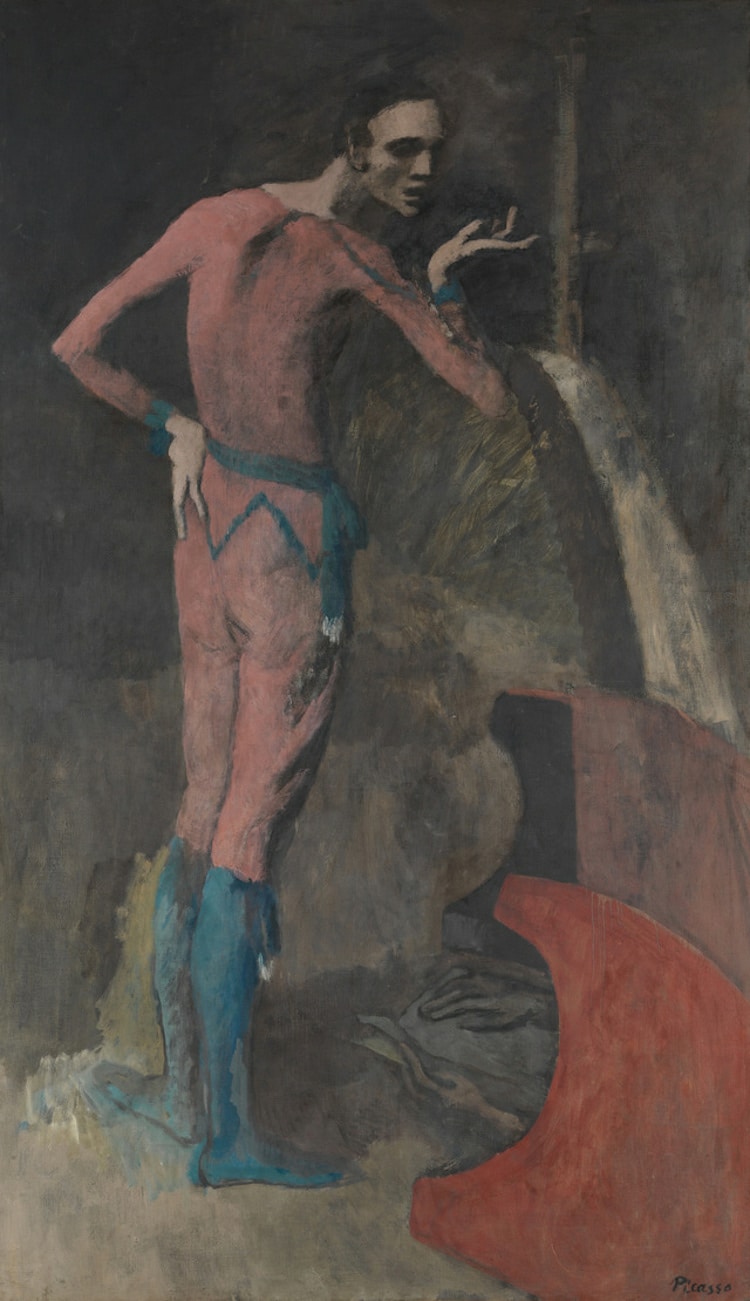
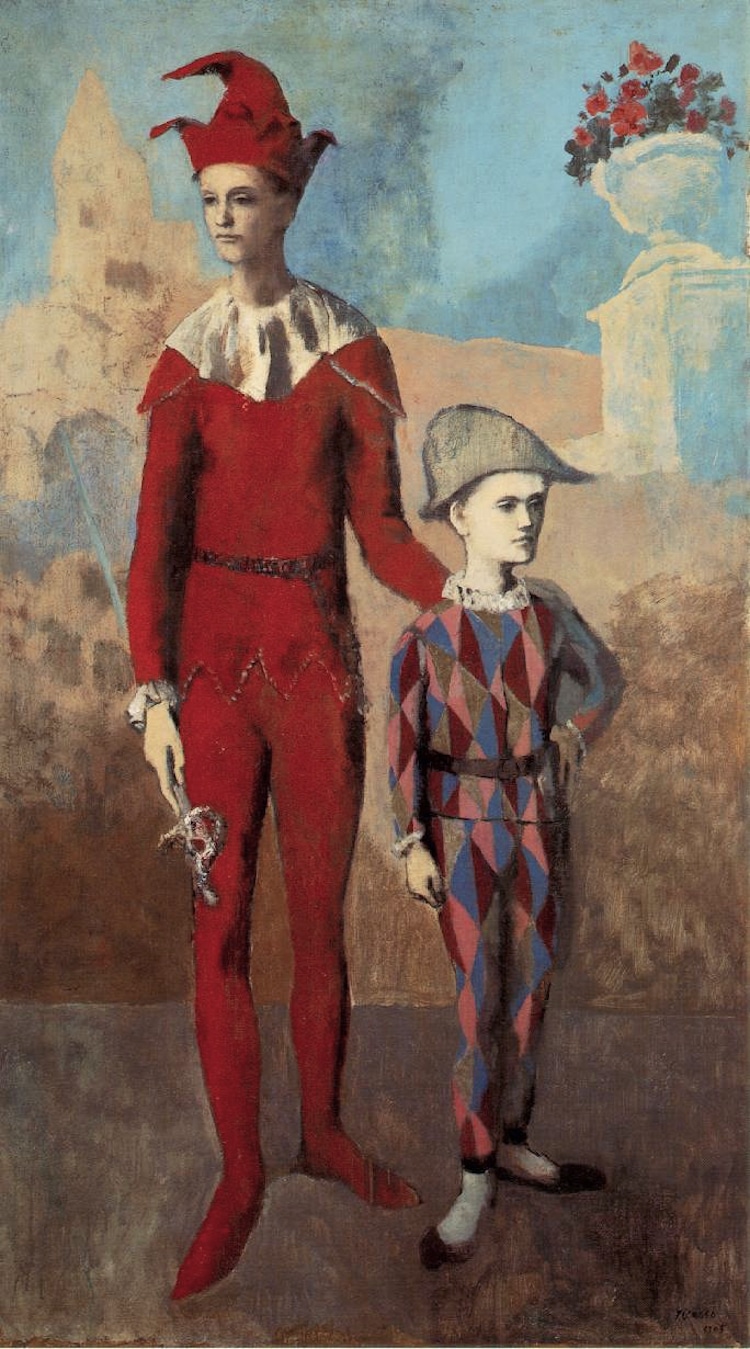
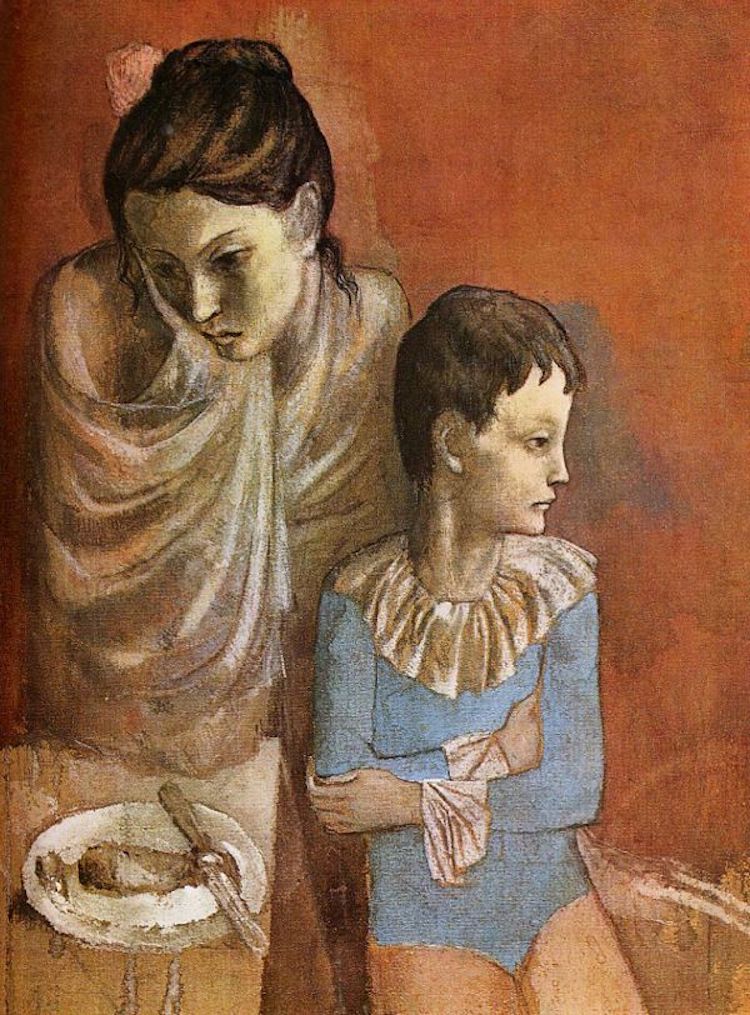
Mother and Child, Acrobats (ca. 1904-1905) (Photo: Pictify via Wikipedia)
What can we find that is good about the artist - to focus on the positives rather than the critics toxic opinions?
Brand Management - the spirit of the times change constantly
I personally don't follow what the media tell me to follow - I make a conscious effort to do my own thing
Check out the Walker Art Centre - USA - Minneapolis
Issue to be aware of is my brand not just my art - how is my art perceived by others - by a critic. This is unknown beyond people viewing snippets.
BOB ROSS - did not favor the abstract art of 60s and 70s - his own painting show this. As his show was via public broadcast he did not make money from that, however he made money from his merchandise and post death his legacy continues to sell books, art supplies and inspire new generations of Bob Ross styled articles.
THEORY
Artists Collecting Art
To describe an artist from a point of view of art collecting, we must first discover what makes them different from regular enthusiasts. Let’s start from a simple conclusion that artists are the best connoisseurs of art, as they’re experiencing it every day, first hand. Their sensibility and a highly subjective approach towards an artwork, whether it’s theirs of someone else’s, derives instinctively from an emotional aspect of creation and a personal process of turning inspiration into something physical. That being said, artists know that inner drive all too well, and their appreciation of an artwork comes from an entirely different level than the one of an everyday art collector, whose appeal might be led by pure aesthetics, a big name, or an investment opportunity. Artists collect art with their hearts, not with their heads, and they collect art, not artists.
Bibliography
Corda, A. (2015, July 19). Artists Can Be Great
Collectors: How Come? Retrieved July 25, 2019, from Widewalls:
https://www.widewalls.ch/artists-as-art-collectors/
Famous Artists
Jeff Koons - most expensive living artist - celebrity - started as a Wall Street trader, plenty of money and backing.
Takashi Murakami - ideas - others making work for him.
See link to Volta article on Power Point
Legacy celebrity artists - not a new thing
Van Gogh
Frida Khalo
Picasso
Dr Jolie Jensen - Picasso talk
High culture top popular culture - how do they stay famous?
Personality, talent, context - emerging art world needed an icon
culture - telling stories we long to hear - he told the right stories for his time.
Coverage - the media made him famous
Protean talent - meaning 1. Readily taking on varied shapes, forms, or meanings. 2. Exhibiting considerable variety or diversity: "He loved to show off his protean talent" (William A. Henry III).
Protean - definition of protean by The Free Dictionary
Different styles for different periods of recognized art works
https://www.ngv.vic.gov.au/picasso/education/ed_timeline.html
Fame after death of a celebrity - critics and fans re-visited the fame and how they view him as a person - commercialism changes they way art speaks to us - t-shits and posters - clothing, replicated objects etc
viewers still drawn to him but critics are tired of him - a problem of mass popularity - elitist
Rose Period (1904-1906)
As Picasso transitioned to his Rose Period in 1904, he continued to depict figures in his characteristically painterly style. While blue tones are still present in these paintings, they are contrasted by warmer shades. Similarly, after moving to Montmartre, a Bohemian district in Paris, he shifted his focus from individuals living in despair to entertainers, including harlequins, acrobats, and other circus performers.
Mother and Child, Acrobats (ca. 1904-1905) (Photo: Pictify via Wikipedia)
Brand Management - the spirit of the times change constantly
Talk was from 2007


Comments
Post a Comment